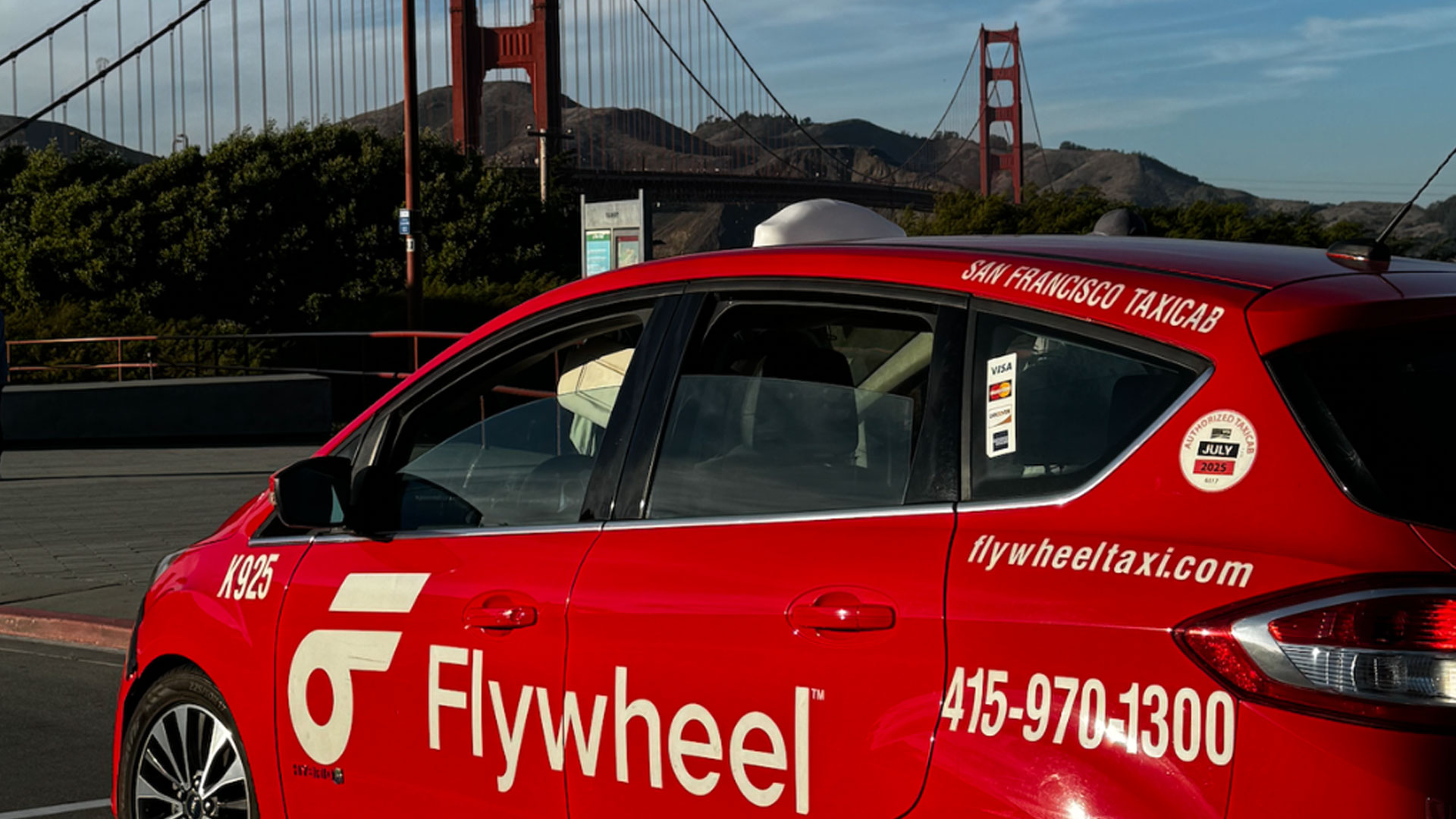
Case Study: How Flywheel Modernised San Francisco Taxi Dispatch with FLEET
The Challenge San Francisco's taxi industry was in crisis. Once a thriving network of independent operators and cooperatives, the city's taxi fleet...

2 min read
Dave Keenan
:
April 16, 2026
In any fleet operation, the most expensive kilometres are the ones without a passenger. Dead-running — the distance travelled between dropping off one passenger and picking up the next — represents a direct cost with zero revenue. For a typical urban taxi fleet, dead-running accounts for 35–45% of total kilometres driven.
Multiply that across a fleet of 200 vehicles operating 18 hours a day, and you're looking at thousands of dollars in wasted fuel, accelerated wear and tear, and missed earning opportunity — every single day.
FLEET's route optimisation module, currently in beta, is designed to attack this problem systematically.
The engine operates on three layers:
Using historical booking data, time-of-day patterns, event calendars, and weather feeds, FLEET builds a rolling demand heatmap. This isn't a static model — it recalculates every 60 seconds, adapting to real-time conditions. If a concert lets out early or rain hits unexpectedly, the demand surface shifts and vehicles are repositioned accordingly.
Rather than waiting for a booking to come in and then finding the nearest car, the system proactively suggests repositioning moves. Drivers receive gentle nudges: "Move 800m north-west to Victoria Street — predicted demand spike in 12 minutes." These suggestions are optional, but drivers who follow them consistently see 15–20% higher utilisation rates in our beta cohort.
For operators running pre-booked or shared-ride services, the sequencing engine solves the classic travelling-salesman variant in real time. Given a set of pickups and drop-offs with time windows, it computes the optimal route that minimises total distance while respecting every passenger's time constraint. The solver handles up to 40 waypoints per vehicle and returns a solution in under 200 milliseconds.
We've been running the route optimisation beta with three fleet partners across two Australian cities since January 2026. The early numbers are encouraging:
| Metric | Before | After (90 days) | Change |
|---|---|---|---|
| Dead-running % | 41% | 29% | -12 pts |
| Avg. pickup time | 8.2 min | 5.7 min | -30% |
| Jobs per vehicle per shift | 14.1 | 17.3 | +23% |
| Driver opt-in rate | — | 68% | — |
The 23% increase in jobs per shift is the headline, but the reduction in average pickup time matters just as much — it's the metric passengers actually feel.
The optimisation engine runs as a dedicated microservice within the FLEET cloud infrastructure. Key design decisions:
Route optimisation is currently available as a beta feature for FLEET customers with 50+ vehicles. We're actively expanding the beta cohort and refining the demand prediction model with each new market we enter.
Planned enhancements for the GA release include EV-aware routing (factoring in charge state and charger locations), multi-modal handoff for operators running both taxi and rideshare fleets, and an open API for operators who want to integrate optimisation signals into their own dispatch logic.
Interested in joining the beta? Contact our team to discuss eligibility and onboarding.
The Challenge San Francisco's taxi industry was in crisis. Once a thriving network of independent operators and cooperatives, the city's taxi fleet...
The Jean Genie The Jean Genie loves chimney stacks. He's outrageous, he screams and he bawls (Jean Genie). Jean Genie, let yourself go, whoah. Sits...
The Problem: Dead Kilometres and Idle Time In any fleet operation, the most expensive kilometres are the ones without a passenger. Dead-running —...